Markoweld fiber laser welding machine performing precision seam weld on metals, ceramics, and plastics.
Laser Welding Machines

What is laser welding?

Laser welding is a precision joining process that uses a focused, high-energy-density laser beam to fuse metals or thermoplastics. It produces narrow, deep welds at high speeds with a minimal heat-affected zone (HAZ), making it ideal for industries that demand tight tolerances, clean aesthetics, and repeatable results — such as automotive, EV battery assembly, medical devices, and electronics manufacturing.

Unlike conventional arc welding, a laser beam can be focused to a spot as small as 0.1 mm, concentrating energy precisely where it is needed. The result is a weld seam that is narrow, consistent, and — in most cases — requires no post-weld grinding or finishing. The process is easily automated, making it suited to both small batch precision work and high-volume production lines.

The process

How laser welding works

Six stages from beam generation to finished weld — the basis for every answer to "how does laser welding work?"

1

Beam generation

A fiber laser source converts electrical energy into a coherent laser beam, typically at 1,064 nm wavelength, guided through a process fiber to the welding head.

2

Beam focusing

Focusing optics inside the weld head concentrate the beam to a precise spot diameter (typically 0.1–0.6 mm), setting the power density for the weld mode required.

3

Energy absorption

The focused beam strikes the workpiece surface. The material absorbs the laser energy, rapidly raising the local temperature above the melting point.

4

Melt pool formation

A small melt pool forms at the joint interface. In keyhole mode, a vapour cavity (keyhole) opens, enabling deep-penetration welds in a single pass.

5

Solidification

As the beam moves along the joint, the melt pool solidifies rapidly behind it, forming a metallurgical bond with a narrow HAZ and minimal distortion.

6

Inspection and quality assurance

Welds are assessed visually and — where required — by ultrasonic, X-ray, or cross-section analysis to confirm fusion, penetration, and dimensional compliance.

Welding types

Types of laser welding

Markolaser configures machines for any of these processes depending on the joint geometry, material, and production requirements.

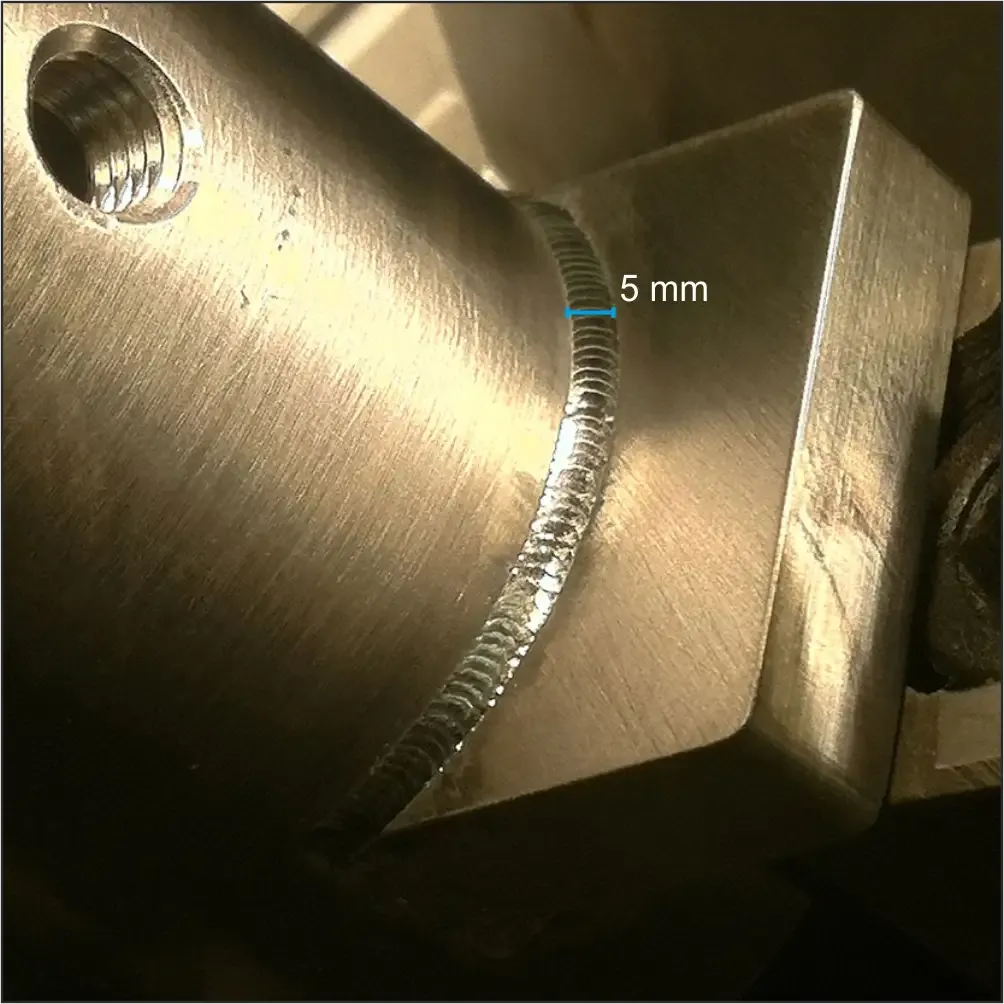
Continuous beam laser welding on automotive stainless steel sheet metal component

Continuous beam (CW) welding

A constant laser output produces seamless, high-speed seam welds. Ideal for sheet metal and automotive structural components where long, uninterrupted weld runs are needed. Typical application: automotive steering columns, stainless steel panels.

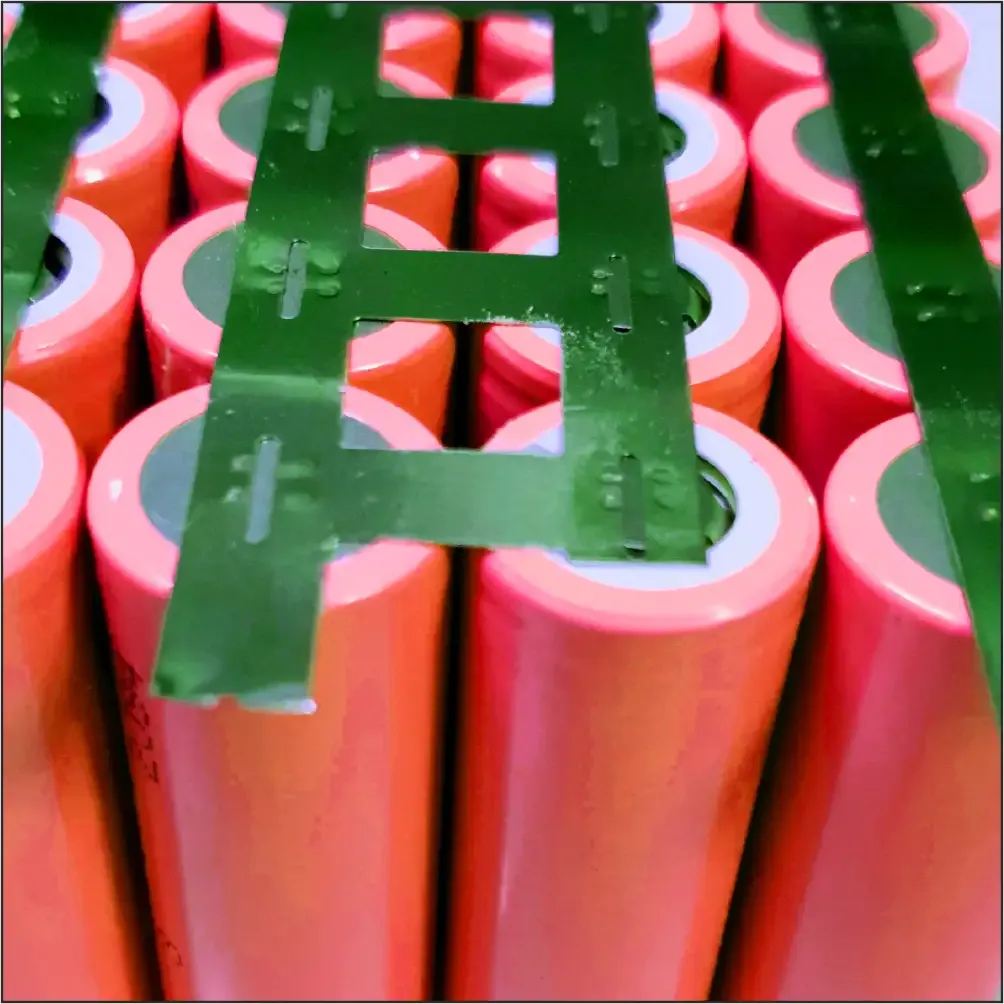
Fiber laser spot welding on EV battery tab and thin sheet metal components

Spot welding

Short-duration laser pulses produce discrete weld spots without shielding gas. Extremely fast and suited to joining thin sheet or wires — common in EV battery tab welding and electronics assembly.

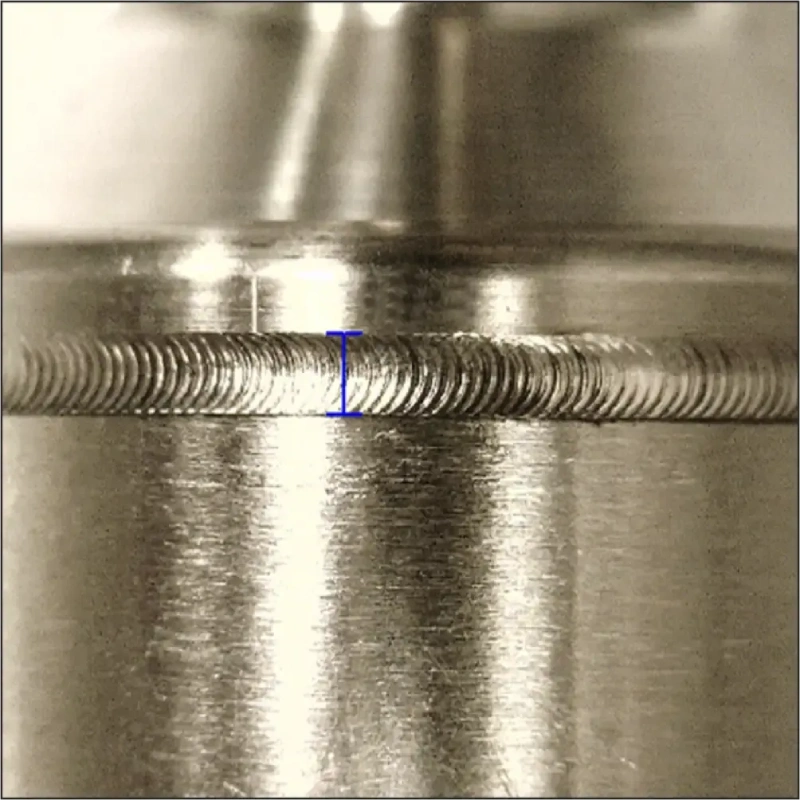
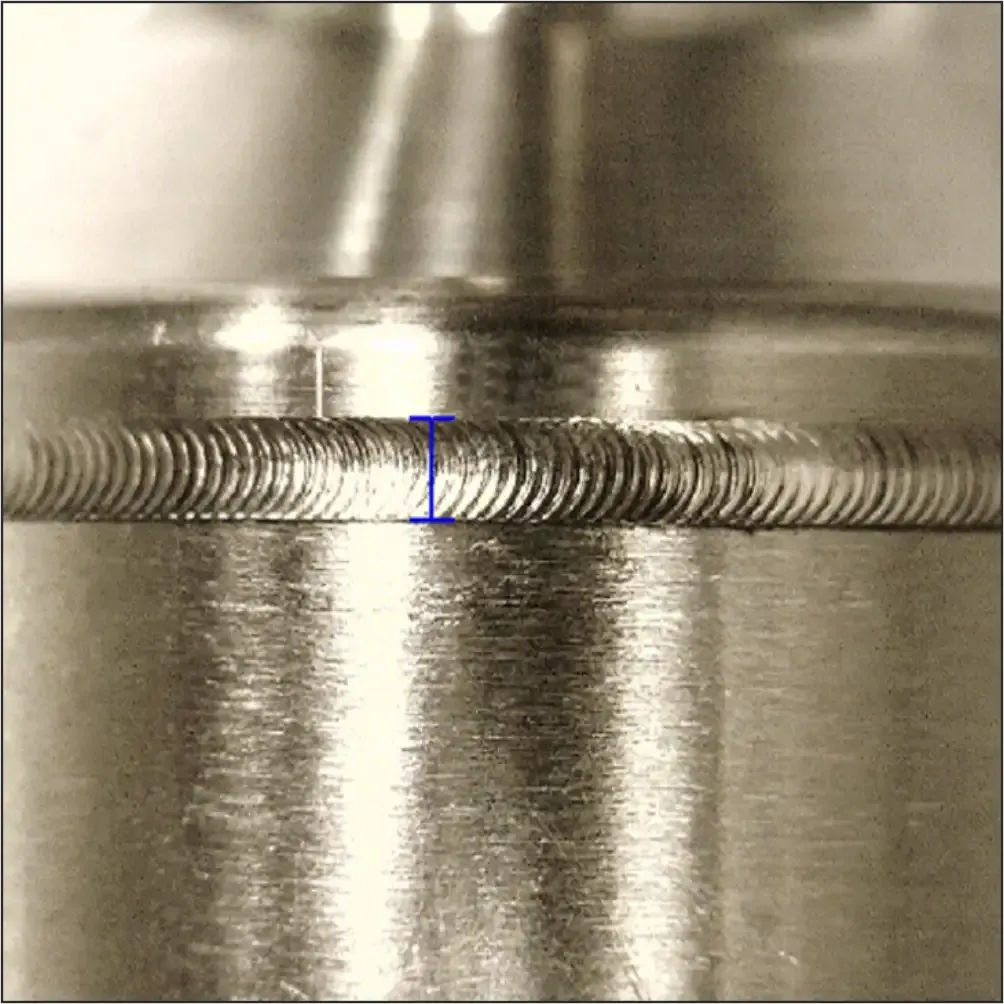
Continuous laser seam welding on stainless steel pipe producing airtight leak-proof joint

Seam welding

Overlapping spot welds or a continuous beam trace a sealed seam between two surfaces. The resulting joint is airtight and leak-proof — essential for pipelines, pressure vessels, and fuel system components.

Laser wobble welding joining copper to aluminium dissimilar metals for EV battery assembly

Wobble welding

The beam oscillates in a programmable pattern (linear, circular, figure-8) as it travels the joint, effectively widening the weld bead and tolerating joint gaps up to 0.5 mm. Particularly effective for copper-to-aluminium dissimilar metal joints in EV applications.

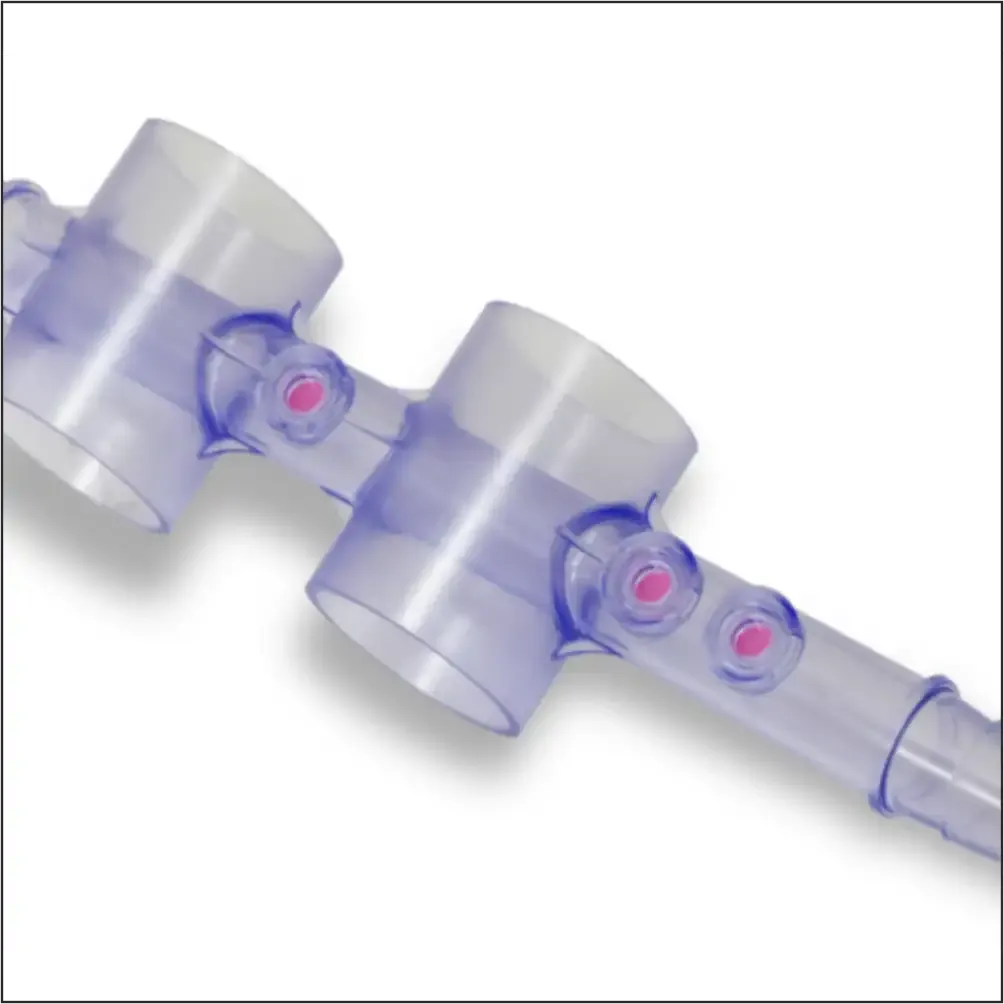
Laser transmission welding of medical plastic polymer housing for automotive sensor enclosure

Plastic (polymer) laser welding

A diode, CO₂, or fiber laser joins polymer parts through transmission laser welding (TTLW), direct welding, or laser surface heating. Non-contact and clean — used extensively in automotive sensor housings, medical tubing, and consumer electronics enclosures.

Laser hybrid welding of copper to aluminium dissimilar metals for EV battery assembly

Laser hybrid welding

Combines a laser beam with a MIG or TIG arc in a single process head. The laser provides deep penetration and speed; the arc adds gap-filling and deposition. Ideal for thick-section structural welds where pure laser would require exceptionally tight joint fit-up.

Pulsed beam welding

High-peak-power pulses with controlled pulse duration and frequency enable precision spot welds on thin or heat-sensitive parts. Used in medical devices, jewellery, and micro-electronics where the HAZ must be minimised.

Scanner (remote) welding

Galvo mirrors steer the beam at high speed across a large working field without moving the part. Enables multi-weld sequences in milliseconds — suited to automotive body-in-white and high-throughput electronics assembly.

Welding Joint Types or joint geometries

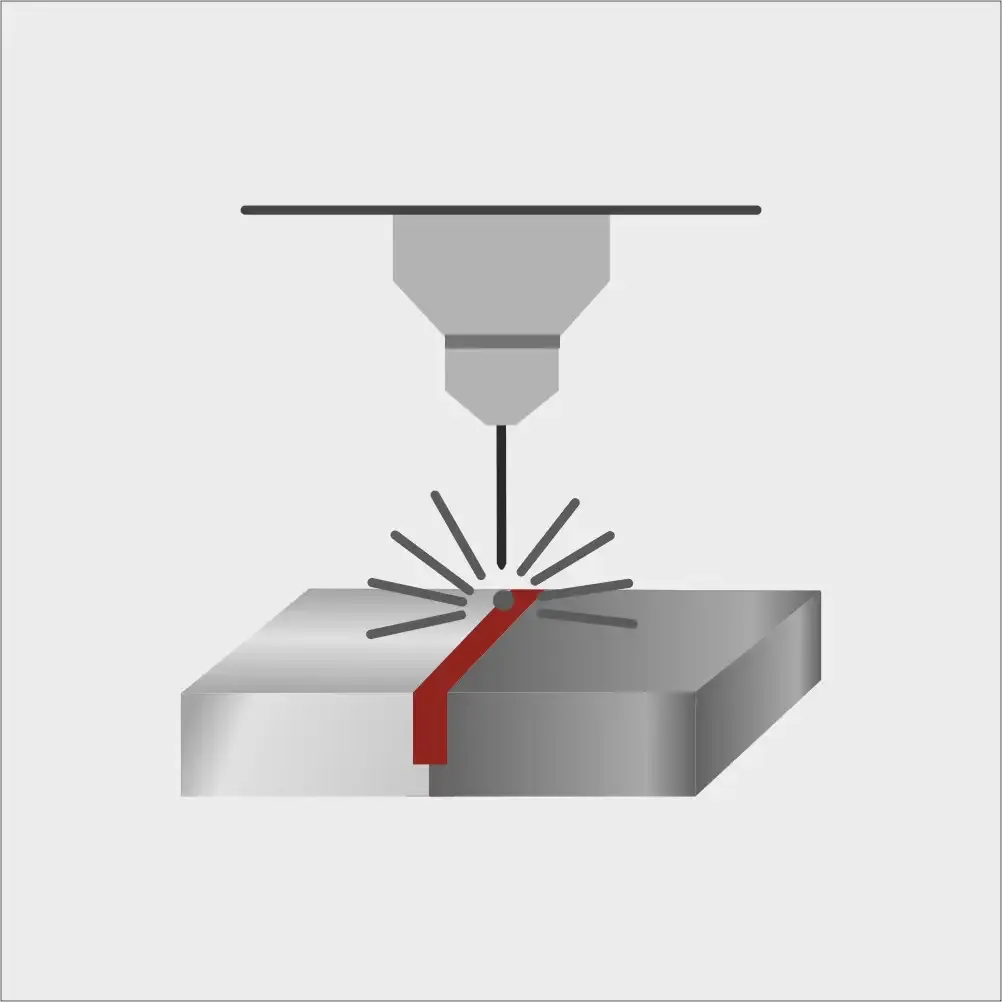
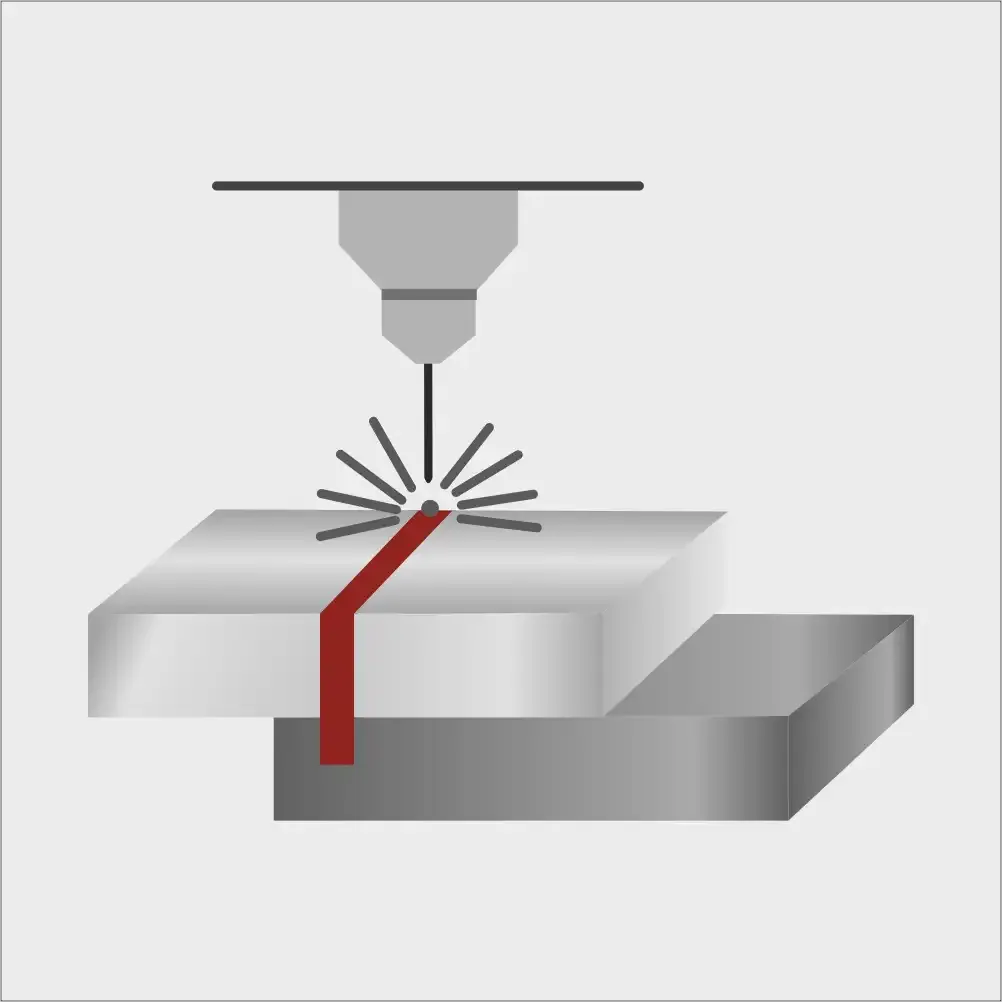
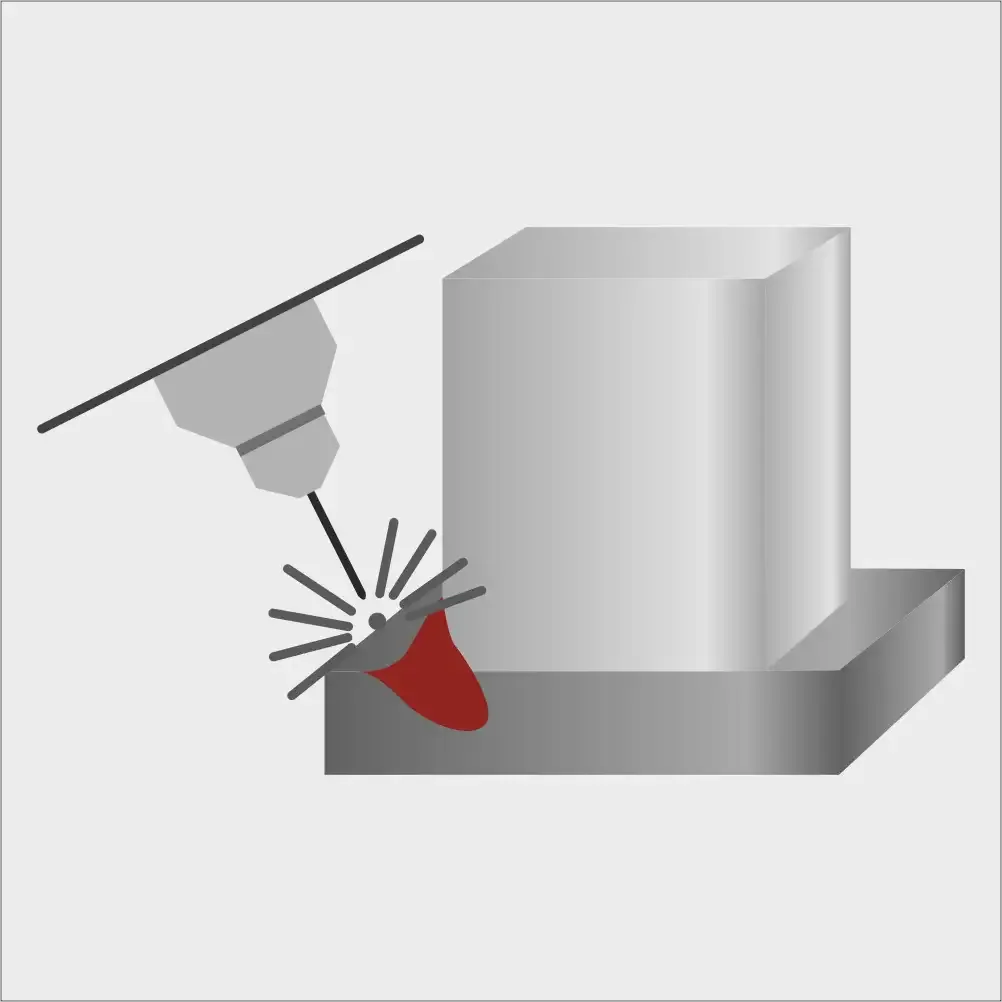
Laser Welding of Different Joint Geometries

The way the heat is transferred by the laser welding process is unique and different. This process offers tremendous flexibility regarding welding joints.

Butt

It is a joint when two parts are placed together, or we can say two parts of metals are in the same plane.

Lap

This joint is created when two parts are placed on top of each other or in overlapping pattern.

Fillet

It is a joint that is formed when two parts are at an angle or intersect at a 90-degree angle. This joint is also known as Tee joint.

Comparison

Laser welding vs TIG (Tungsten Inert Gas) or Gas Tungsten arc Welding (GTAW) vs MIG or GMAW welding

A direct comparison of the three most common industrial welding methods to help you decide which is right for your application.

Parameter Laser welding TIG welding MIG welding
Weld speed Very high (up to 10 m/min) Low (0.1–0.5 m/min) Medium (0.5–2 m/min)
Heat-affected zone (HAZ) Very small (<0.5 mm typical) Moderate Large
Distortion Minimal Moderate High
Precision / tolerance ±0.05 mm ±0.5 mm ±1 mm
Automation suitability High Medium Medium–high
Filler material required Usually no Often yes Yes
Post-weld finishing Minimal or none Moderate Often required
Suitable material thickness 0.1 mm – 25 mm 0.5 mm – 10 mm 1 mm – 75 mm
Capital cost Higher initial investment Low Low–medium
Operating cost (per metre) Low at volume High (skilled labour) Medium

Values are indicative and depend on material type, thickness, and machine configuration. Contact Markolaser for an application-specific comparison for your process.

Technical data

Markoweld system specifications

Indicative performance parameters for Markolaser's fiber laser welding range. Custom configurations available on request.

Laser power

500 W – 6 kW

CW fiber laser; pulsed options available

Wavelength

1,064 nm

Green (515 nm) for copper on request

Weld speed

Up to 10 m/min

Material and thickness dependent

Focus spot diameter

0.1 – 0.6 mm

Adjustable via optics selection

Positional repeatability

±0.05 mm

CNC-controlled axis

Material thickness range

0.1 – 25 mm

Steel; varies by material

Cooling

Water-cooled

Integrated chiller unit

Beam delivery

Process fiber

50–200 µm core; up to 20 m length

All specifications are subject to application validation. Markolaser provides complimentary sample welding trials to confirm process feasibility before machine procurement.

Industries served

Where is laser welding applied?

Markolaser machines are commissioned in production environments across India, serving these sectors.

Automotive

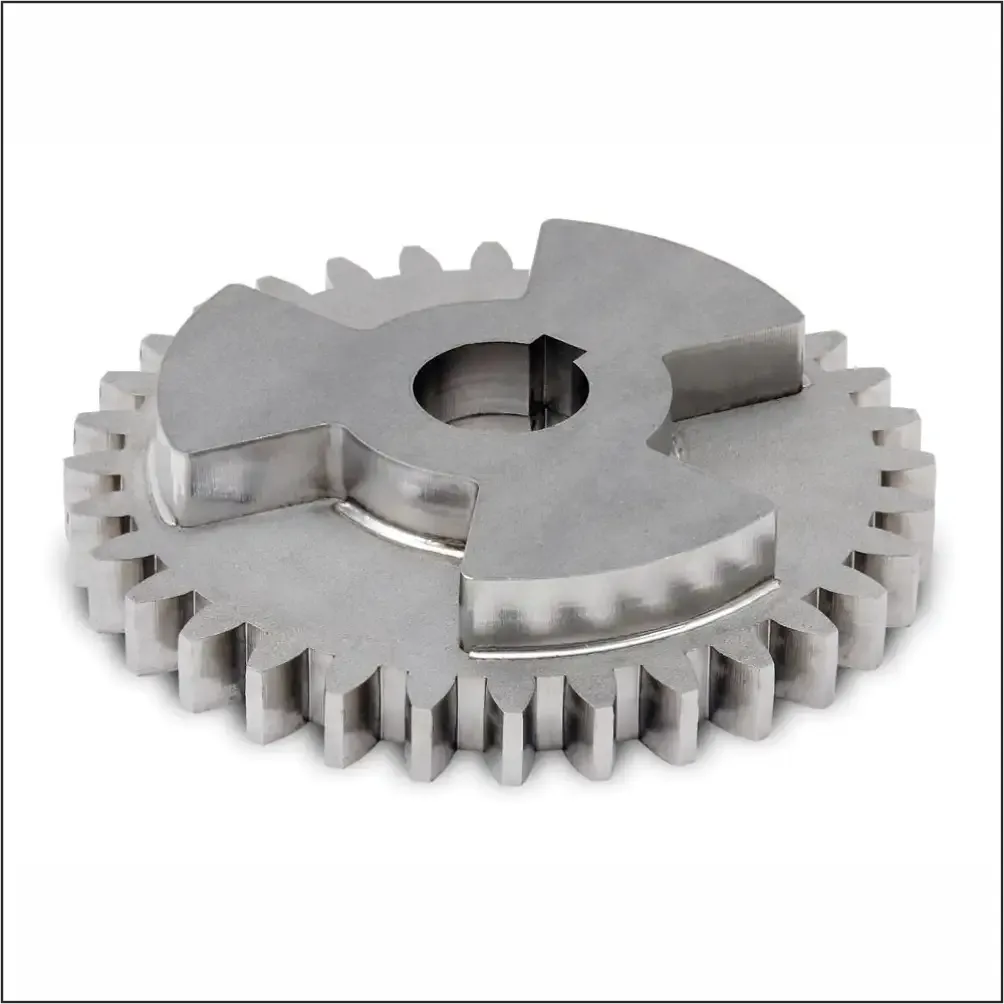
Engine components, transmission parts, fuel injectors, airbag housings, door frames, front and rear light assemblies

EV & e-mobility

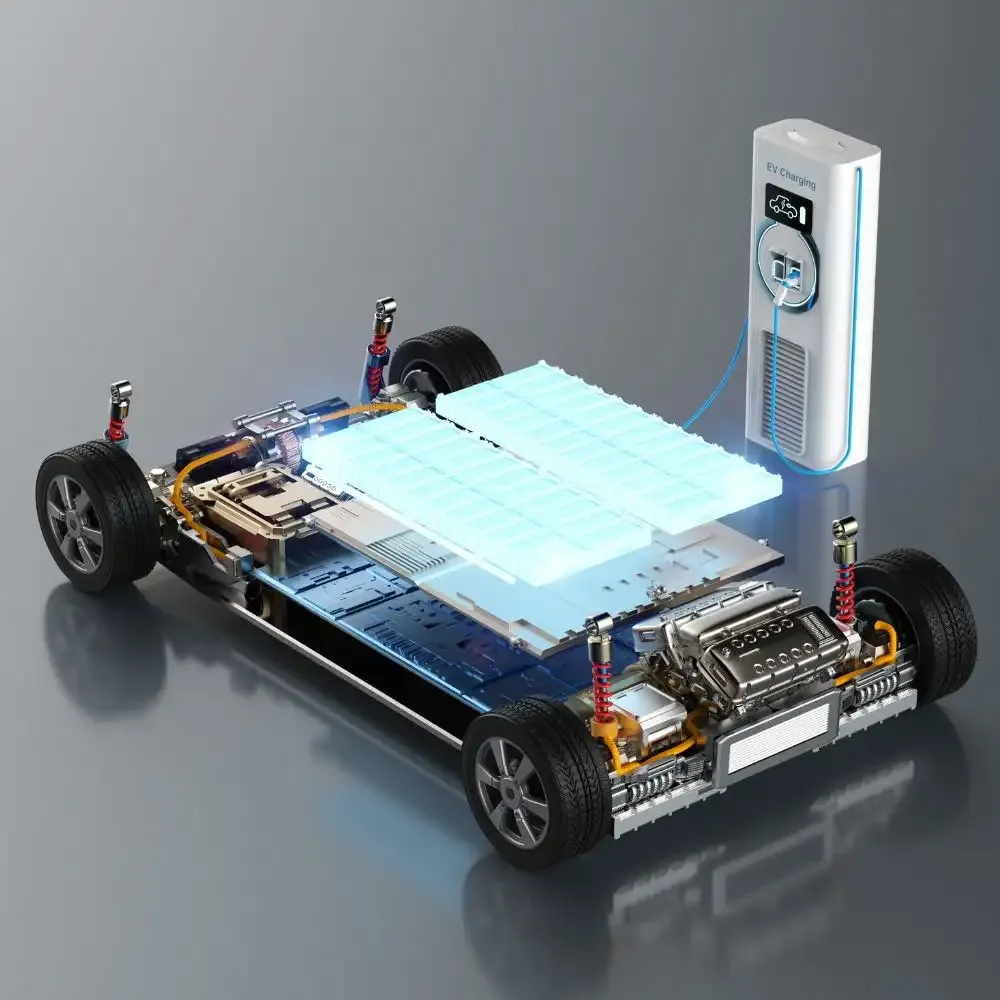
Battery cell tab-to-busbar welding, foil-to-tab, pouch cell sealing, electric motor stator hairpin welding

Medical devices

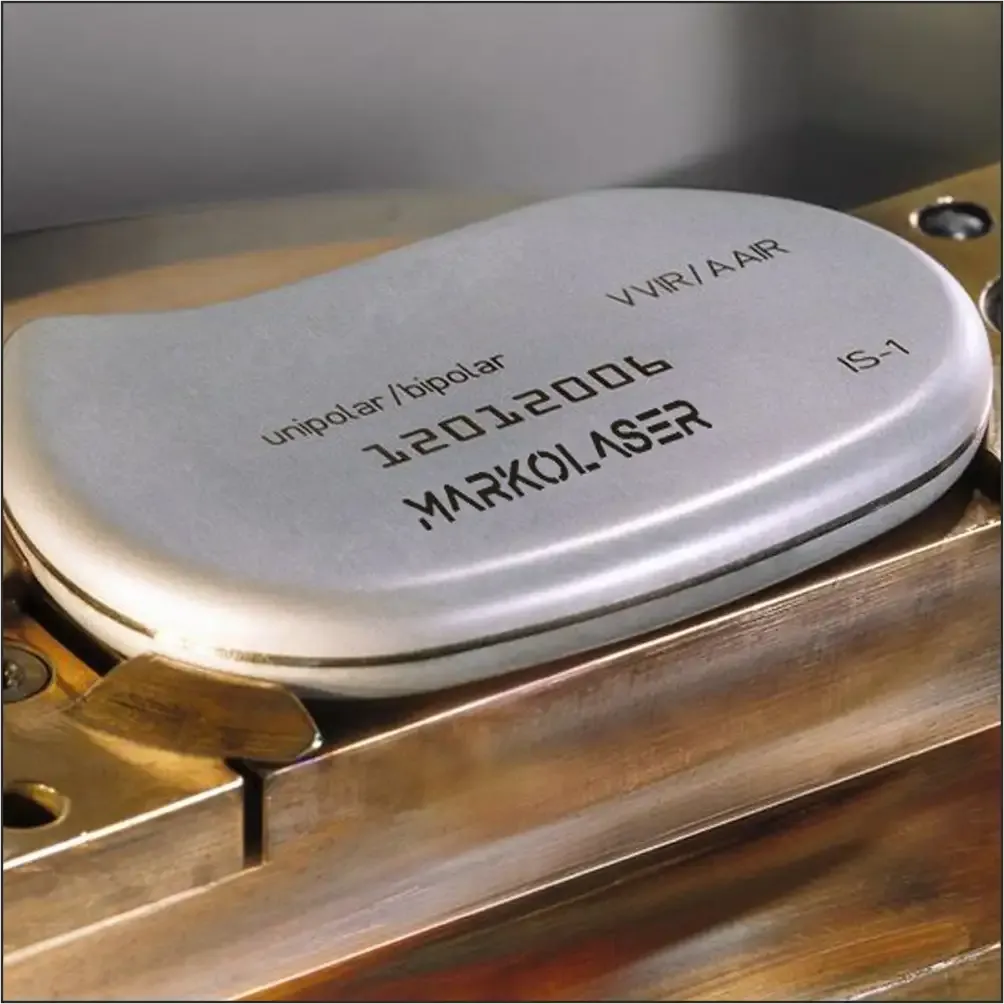
Pacemaker housings, hearing aid components, guide wires, surgical instruments, implantable device enclosures

Electrical & electronics

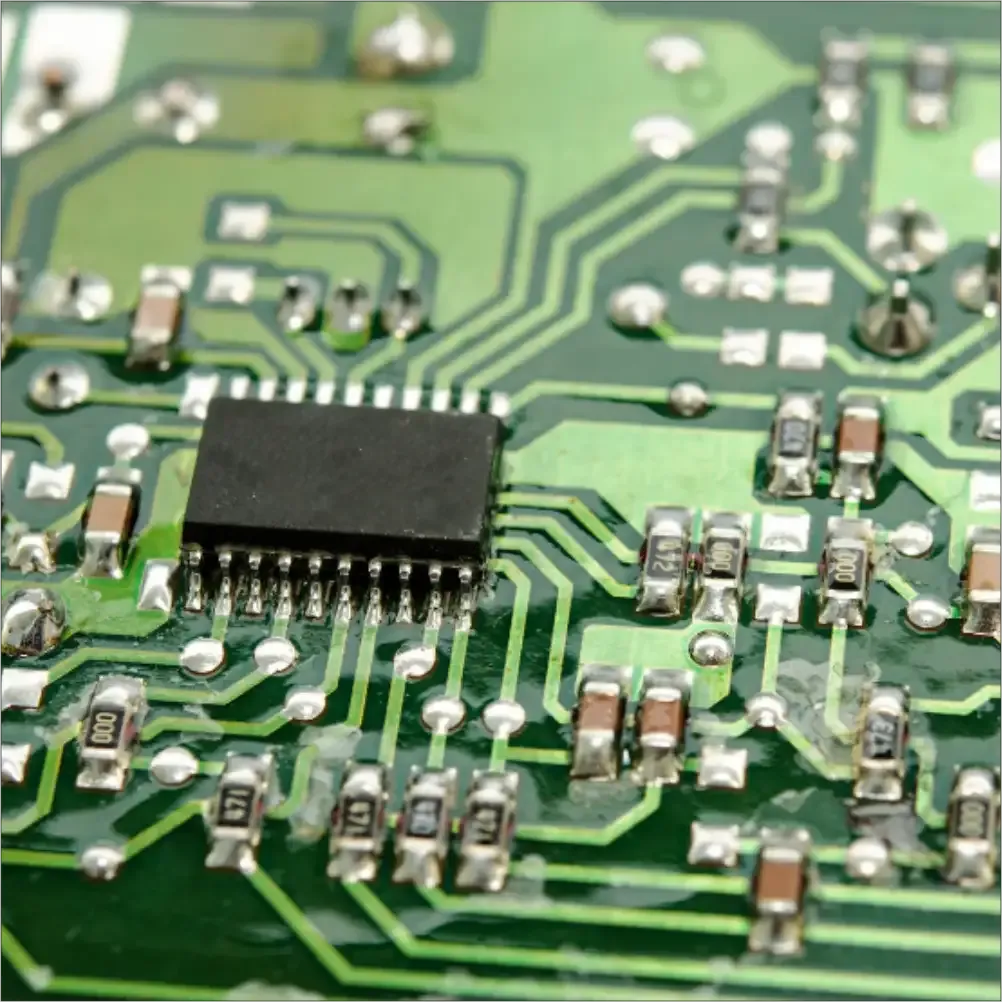
PCB fine-wire bonding, relay contacts, circuit breaker components, sensor housings, electrical towers

Jewellery & watch

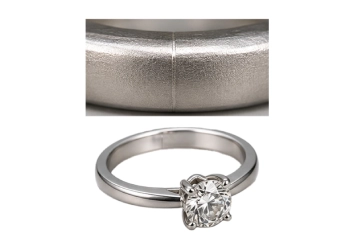
Ring sizing, chain repair, bezel setting repair, hallmarking corrections, micro-welding of watch case components

Tool & mold repair

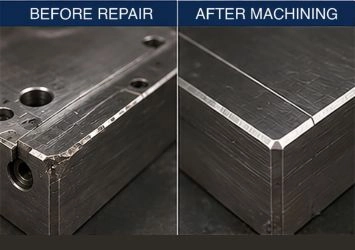
Injection mold cavity repair, die restoration, insert welding, precision geometry rebuild on tool steel

Solar energy

Thermal solar panel absorber tube welding, photovoltaic cell interconnect welding, panel frame joining

Aerospace & defence

Lightweight alloy joining, titanium welding for structural components, precision sensor housings

Battery Packs

Laser Welding on EV Battery Packs

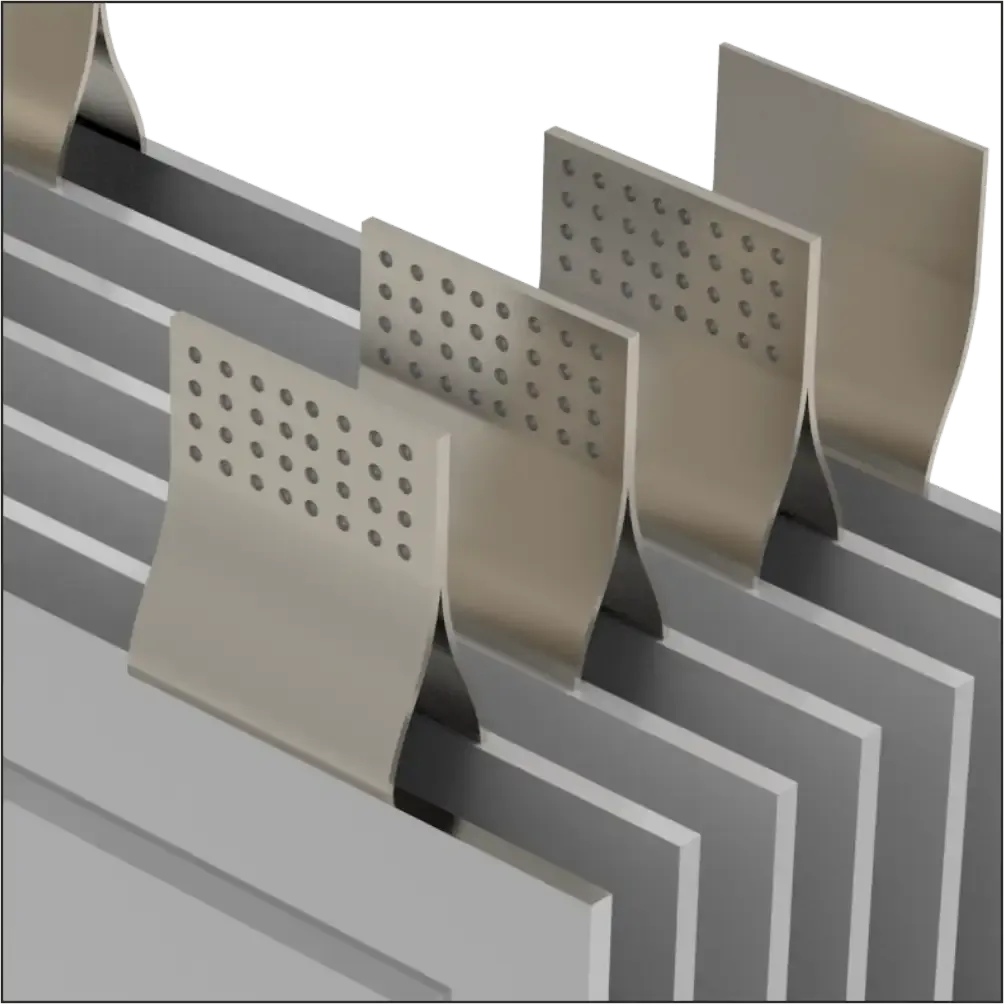
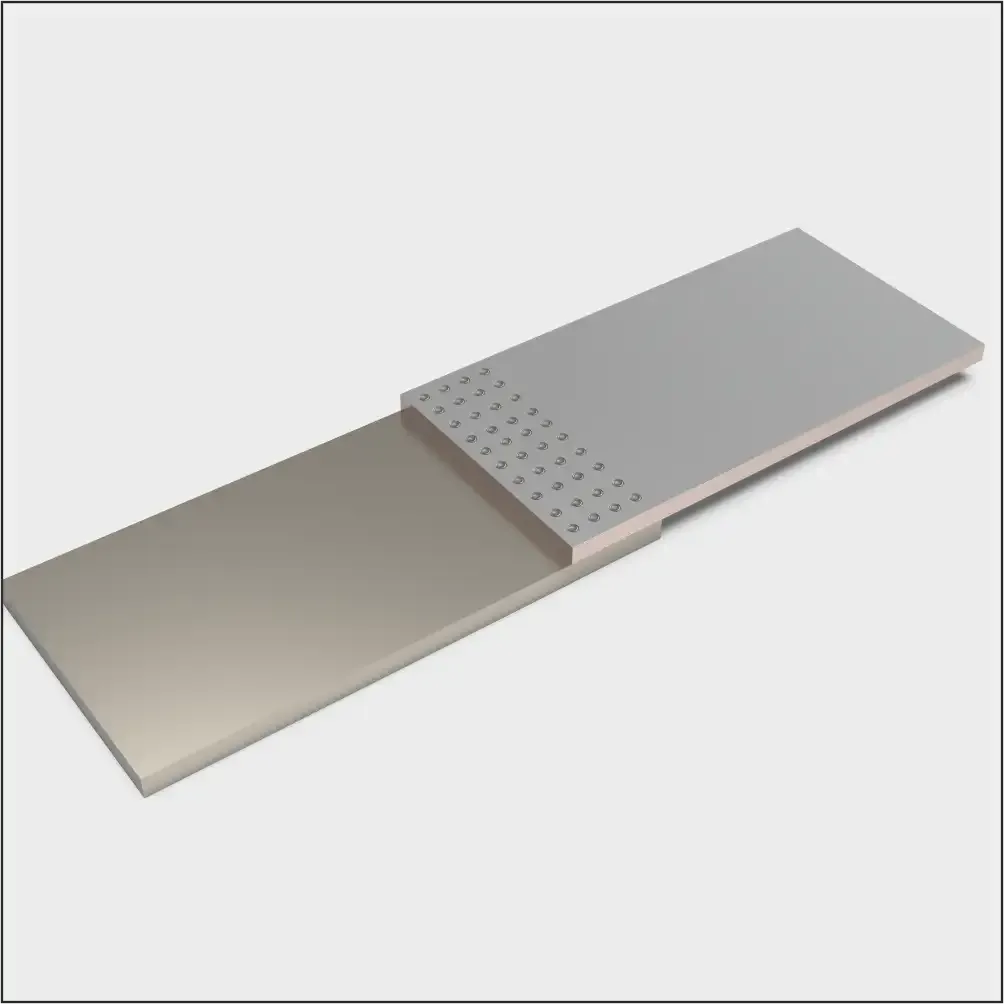
Laser welded foil to tab joint showing multiple precision spot welds
                               connecting a thin battery electrode foil to current collector tab for lithium-ion batteries manufacturing

Foil to Tab welding

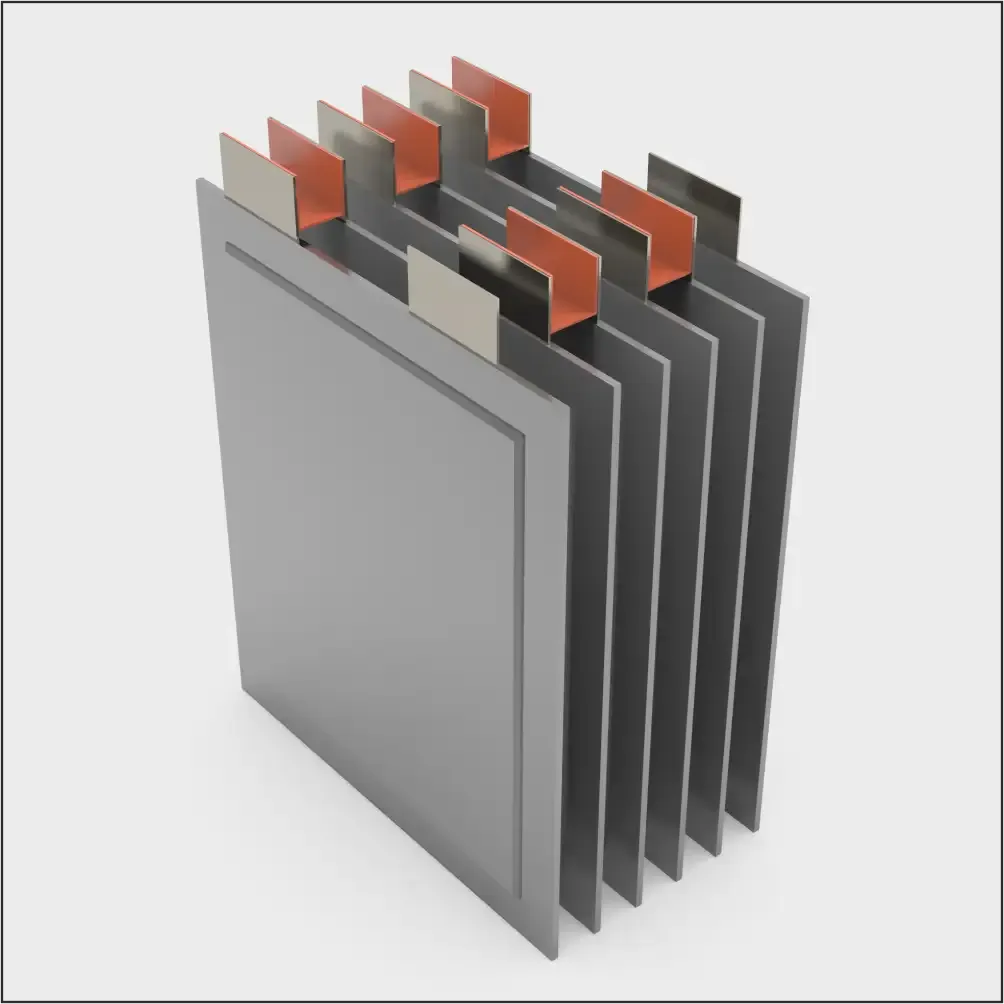
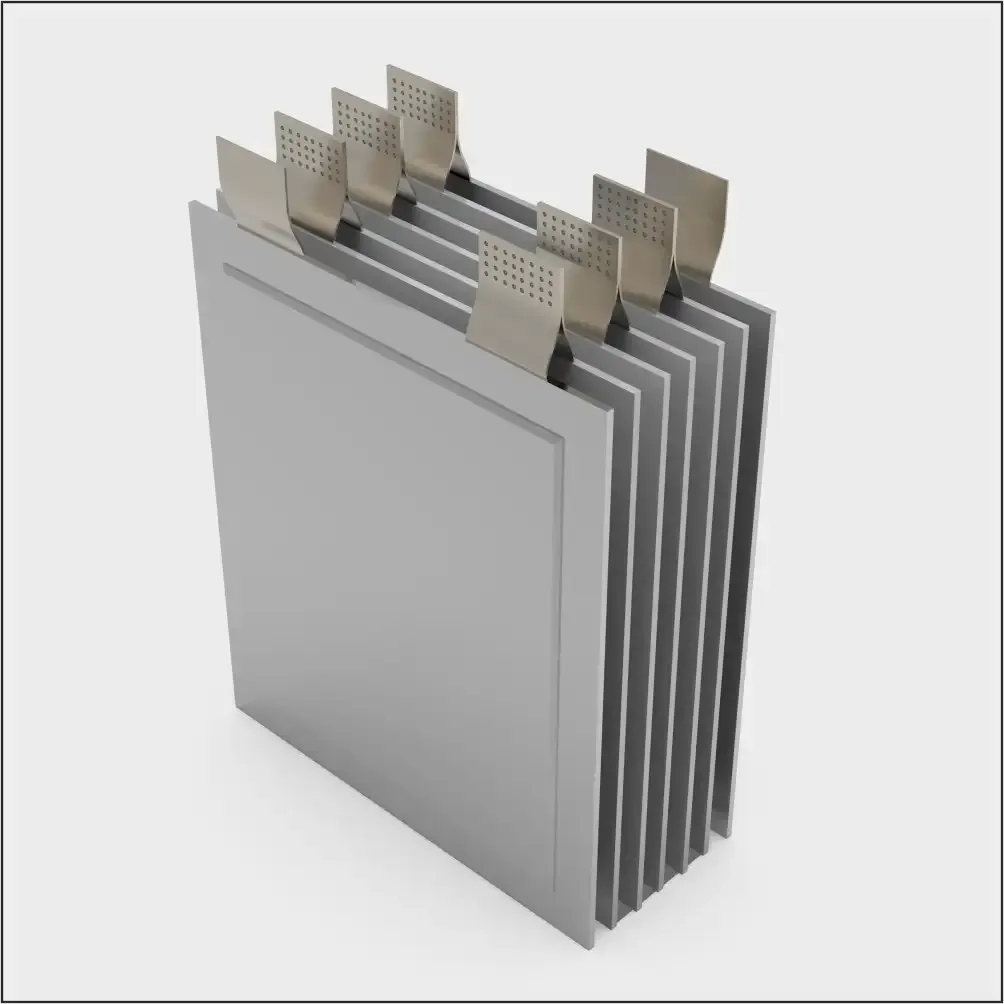
Lithium-ion battery cell showing stacked electrode folis with aluminum and copper current collectors tabs prepared for precision 
                                 foil-to-tab laser welding.

Tab to busbar welding

Lithium-ion battery cell with precision laser-welded tab-to-tab connections, showing joined current collector tabs for 
                                high-performance battery pack assembly

Tab to tab welding

Pricing guide

What does a laser welding machine cost in India?

Laser welding machine prices in India typically range from ₹10 lakh for a basic fiber welder up to ₹80 lakh or more for a fully automated, multi-axis system with custom fixturing and inline quality inspection.

The five factors Listed here drive the majority of price variation. Markolaser's application engineers provide a detailed quotation after understanding your specific process — contact us for a no-obligation assessment.

Buying from a North India-based manufacturer matters because the Response time included in Markolaser's service offering for commissioning, breakdown support, and spare parts delivery to Delhi NCR, Haryana, UP, Rajasthan, and Punjab is typically 24-48 hours from our Gurgaon facility. Suppliers based in Gujarat or Maharashtra may require 3-5 days to cover the same . Markolaser maintains stocked spare parts in Gurgaon for all Markoaser models.

Get a quotation

Laser source type and power

Fiber, green, or diode laser; power from 500 W to 6 kW. Higher power units for thicker materials cost more.

Automation level

Handheld → semi-automatic bench → CNC-integrated → full robotic cell. Each step up increases capability and price.

Machine size and build

Working envelope, axis configuration, and whether the machine is a standard model or fully customised for your part geometry.

Fixturing and tooling

Custom part fixtures, rotary positioners, and inline vision systems add cost but are often essential for repeatable production.

Warranty, training, and support

AMC options, remote diagnostics, on-site training, and spare parts packages are included in Markolaser's full-service offering.

Application example

Laser welding of steel to magnet — sensor assembly

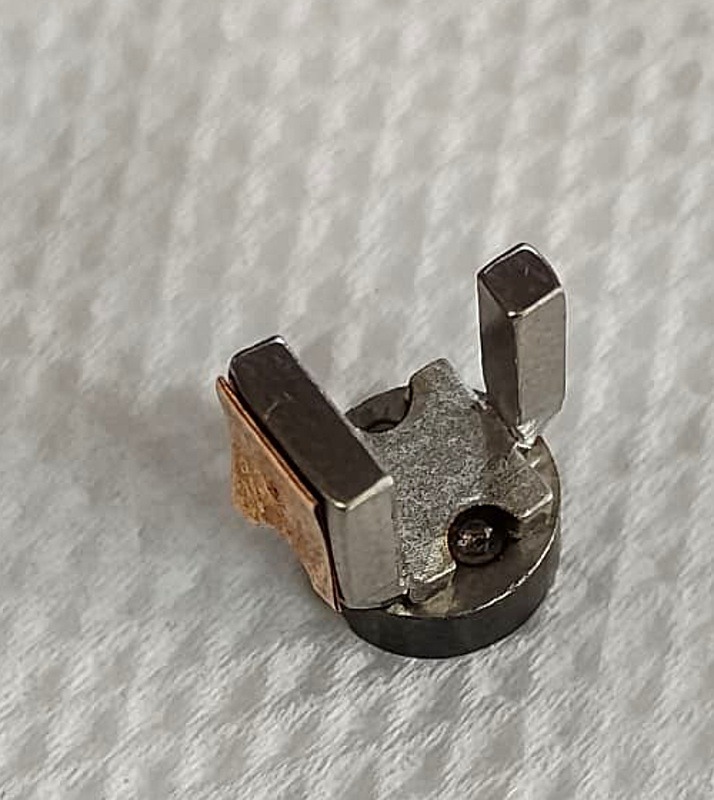
laser-welded-steel-bracket-and-magnet-assembly-produced-by-markoweld-fiber-laser-welding-machine

Markoweld fiber laser welding machines successfully join steel brackets to permanent magnets without demagnetisation — a critical requirement for automotive sensor housings, relay assemblies, and electric motor components.

The precisely controlled heat input of fiber laser welding keeps the magnet's temperature below its Curie point throughout the weld cycle, preserving full magnetic performance post-weld.

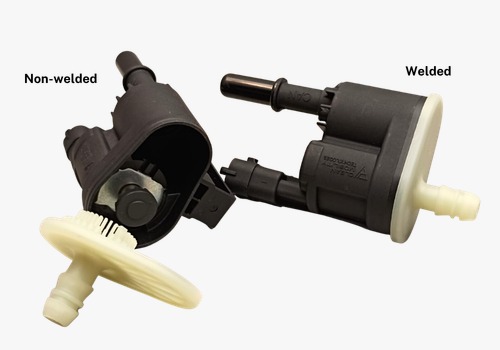
Markoweld successfully laser welded an automotive canister purge valve made from PA66 . The valve consists of two glass-filled PA66 parts: a lid (30% glass filled, laser-transparent) and a can (13% glass filled, laser- absorptive), joined using a lap joint configuration. A 70 W fibre laser with wobble welding was used on a 32.82 × 51.5 mm weld interface.

Post-weld pressure testing confirmed zero air leakage and no material damage — meeting the leak-free standard required for EVAP sealing.

Know More
laser-welded-steel-bracket-and-magnet-assembly-produced-by-markoweld-fiber-laser-welding-machine

FAQ's

1 What materials can be welded with a laser?
2 How does laser welding compare to TIG and MIG welding?
3Can laser welding be automated?
4 Is laser welding environmentally friendly?

Ans: Laser welding consumes less energy than conventional arc welding, produces negligible spatter, and requires no consumable electrodes. With proper fume extraction, it is one of the cleaner industrial welding technologies available — making it compatible with green manufacturing initiatives.

5What safety precautions are required for laser welding?

Ans: Operators must use wavelength-specific laser safety eyewear, work within an enclosed or interlocked laser safety area, and ensure adequate fume extraction is installed. Class 4 fiber lasers require a full laser safety assessment. Markolaser provides safety training and compliant enclosure designs as part of every machine delivery.

6How do I choose the right laser welding machine for my application?

Ans: Key selection factors include: base material and its thermal properties, part thickness, required weld geometry (butt, lap, fillet), production volume, joint access constraints, and whether automation is needed. Markolaser's application engineers run sample trials on your actual parts before recommending a machine configuration.

7 Can laser welding be used for mold and tool repair?

Ans: Yes — laser welding is the preferred method for repairing injection molds, dies, and precision tooling. The highly controlled heat input allows precise material deposition with minimal spread, preserving the dimensional accuracy of surrounding geometry. Markolaser's Markoweld systems are used for mold repair across India's die and tool industry.

8How is laser weld quality assured?

Ans: Quality control involves calibrated machine parameters, stable beam delivery, correct shielding gas selection, and consistent fixturing. Post-weld verification methods include visual inspection, ultrasonic testing, X-ray radiography, and destructive cross-section metallography depending on the application standard (e.g. ISO 15614-11 for laser welding).

9 What factors influence laser weld strength?

Ans: Weld strength depends on laser type and wavelength, output power, beam focus diameter, welding speed, material composition and surface cleanliness, shielding gas type, cooling rate, joint design, and whether filler wire is used. All these parameters interact — proper process development and parameter qualification are essential before production.

10 Are all metals safe to laser weld?

Ans: Most common engineering metals can be laser welded safely, but some require special precautions. Highly reflective metals like copper and aluminium need specific wavelengths. Galvanised steel releases zinc vapour that must be extracted. Metals containing beryllium or other toxic elements demand enhanced fume control. Always perform a material safety assessment before processing unfamiliar alloys — Markolaser's team can advise.

11 How does laser welding compare to traditional welding methods?
12Can laser welding be automated?
13 What are the safety concerns with laser welding?

Ans: Safety is paramount in laser welding due to the high energy and intensity of the laser beam. Proper safety gear,such as eye protection is essential. Additionally, proper extraction equipment is necessary to remove any fumes produced during the welding process.

14How do I choose the right laser for my welding needs?

Ans: Choosing the right laser depends on several factors. To name a few are - type of material, thickness, material properties such as coefficient of thermal expansion, etc, welding speed, and quality requirements. Consulting with laser welding experts like Markolaser can help determine the most suitable laser for your specific applications. Contact now

15Can laser welding be used for repair work?

Ans: Yes, laser welding is well-suited for repair work, especially for molds, tools, and precision parts. Its ability to precisely control the heat input allows for effective repairs without damaging adjacent areas. Contact now



Supplied across India

Serving Pan India and Beyond from Gurgaon, India

Markolaser is the only laser welding machine manufacturer and system integrator headquartered in North India. While most Indian laser suppliers operate from Ahmedabad, Mumbai, Pune, Ghaziabad, Kathwada, Chennai, Bangalore, and Hyderabad, Markolaser's Gurgaon facility puts our application engineers closer to the automotive clusters of Delhi NCR, the pharma industry in Chakan, Talawade, and Surat, the precision manufacturing belt of Faridabad and Manesar, and the industrial corridors of Rajasthan and UP.

We supply and commission machines across India's major manufacturing hubs:

  • Delhi NCR — automotive Tier-1 suppliers, electronics manufacturing, defence component OEMs, and EV assembly plants in Manesar and Bawal
  • Faridabad and Gurugram — sheet metal fabricators, auto-ancillary manufacturers, and precision engineering job shops
  • Pune — automotive OEMs and Tier-1s, EV battery pack assemblers, and medical device manufacturers in Hadapsar and Chakan
  • Mumbai and Navi Mumbai — aerospace component manufacturers, pharmaceutical equipment fabricators, and jewellery and watch industry
  • Chennai and Bengaluru — automotive body-in-white welding, electronics and semiconductor component manufacturers, and defence supply chain
  • Hyderabad — pharma-grade stainless steel welding, defence, and aerospace precision components
  • Ahmedabad and Surat — diamond processing equipment, textile machinery welding, and chemical plant components
  • Coimbatore and Tiruppur — pump and valve body welding and automotive component export manufacturers

Get in touch

Headquarters

Plot No. 135, Pace City-I, Sector-37
Gurgaon, Haryana 122001, India

Business hours

Mon–Sat, 9:00 AM – 6:00 PM IST

Ready to see laser welding on your Product?

Send us your parts and our engineers will run a sample weld trial.

Request sample laser welding.