
LASER PROCESS

What is Laser Engraving? Process, Types and Machines.

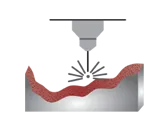
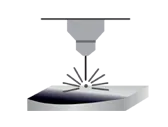
Laser engraving is a non-contact process that uses a focused laser beam to vaporise material layer by layer, cutting a permanent, recessed mark into the surface. A single pass removes only a few microns, so several passes are run until the required depth is reached.

It is used for serial numbers, barcodes, QR and Data Matrix codes, logos, dies, moulds, coins and jewellery on aluminium, steel, stainless steel, copper, brass, gold, silver and many non-metals.

Material Removal 0.001 to 1.2 mm Depth 2D/3D Engraving Wear-Resistant Marks
Laser engraving process
A removal process, layer by layer

How does laser engraving work?

The beam delivers enough energy to vaporise the surface at each point it touches. Repeating that over many passes builds a clean, recessed cavity of controlled depth.

1

Beam is generated and shaped through optics

2

A galvo scanner steers it along the design path

3

Focused energy vaporises a thin layer of material

4

Passes repeat until the target depth is reached

View the full process diagram →
STEP 1

Laser source

Fibre, UV, green or CO₂ source generates the beam

STEP 2

Optical components

Shape and route the beam

STEP 3

Galvo scanner

Steers the beam in X/Y, Z-axis tracks depth

STEP 4

Focusing optics

Concentrate the energy to a fine spot

STEP 5

Material vaporises — each pass cuts deeper

Depth and finish are set by four process variables

Spot diameterSets line width and detail resolution
PowerSets how much material each pass removes
FrequencyControls pulse rate, heat and surface finish
WavelengthDecides which materials absorb the beam
← Fewer passes · shallowMore passes · deeper →
STEP 6 — RUNS THROUGHOUT

Engraving software

Converts 2D vectors or 3D models into layered tool paths and sets the power, speed, frequency and pass count every stage above uses.

Techniques

Four Ways a Laser Engraves a Surface

The same fiber laser engraver switches between these four techniques by changing software settings, not hardware.

01

2D Engraving

Shallow, flat-bottomed recesses for codes, text and logos.

Depth
Microns to ~0.5 mm
Speed
Fast, seconds per part
Materials
All metals, hard plastics
Uses
Serial numbers, DPM codes, logos, nameplates, utensils
02

Deep Engraving

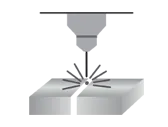
Hundreds of passes cut straight-walled cavities into hard steel.

Depth
1 to 4 mm+
Speed
Slow, hours per die
Materials
Tool steel, hardened steel up to HRC 60+, brass
Uses
Coin and embossing dies, moulds, ISI marks
03

Laser Texturing

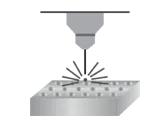
A repeating micro-pattern across an area for grip or appearance.

Depth
Shallow, uniform
Speed
Depends on area
Materials
Mould steel, aluminium
Uses
Mould tools, grips, decorative finishes
04

3D Engraving

Layer-by-layer removal at varying depths from a 3D model.

Depth
Variable relief
Speed
Very slow, high precision
Materials
Brass, steel, gold, silver
Uses
Coin art, medallions, jewellery, dies
Laser Technology Guide

Engraving vs Marking vs Etching

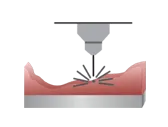
Engraving vaporises material and leaves a groove you can feel. Etching melts a thin surface layer, usually under 0.025 mm. Marking (annealing, black marking) changes colour without removing material.

When to choose engraving

Choose engraving when the mark must survive grinding, painting, heat treatment, sandblasting or years of wear.

Real parts

Laser engraving samples by Markolaser

Every sample below was engraved on a Markolaser fiber laser. Depth and cycle time are measured on the finished part.

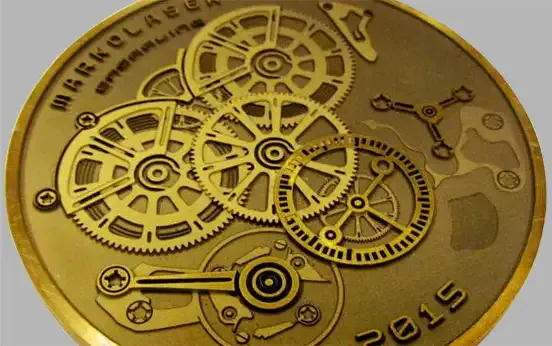
Laser engraving on a brass watch clock souvenir

Watch clock souvenir

Material
Brass
Size
Ø 65 mm
Depth
1.5 mm
Time
7 hrs
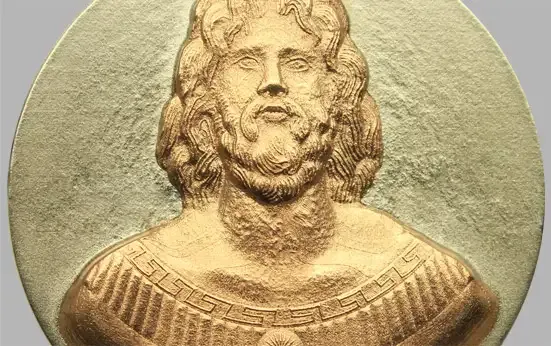
3D laser deep engraving Zeus coin art

3D coin art "Zeus"

Material
Brass
Size
Ø 17 mm
Depth
2 mm
Time
12 hrs
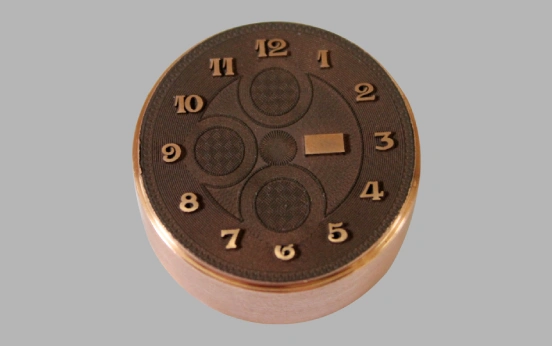
Copper EDM electrode with 3D laser-engraved watch dial for stamping dies, made on Markolaser URSA

Copper EDM electrode

Part
Watch dial EDM electrode
Material
Copper
Process
3D laser engraving
Machine
Markolaser URSA
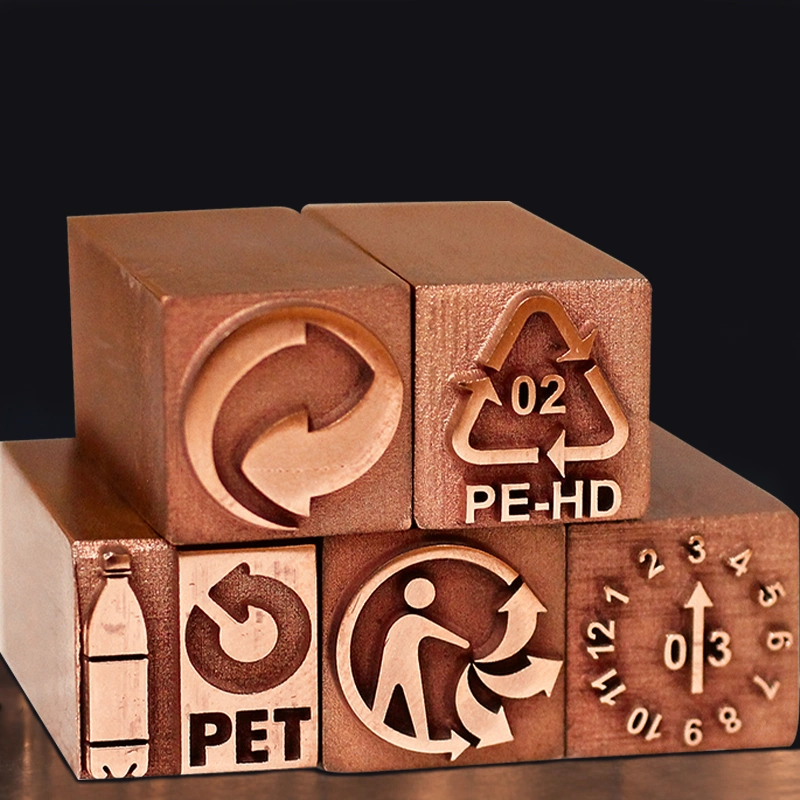
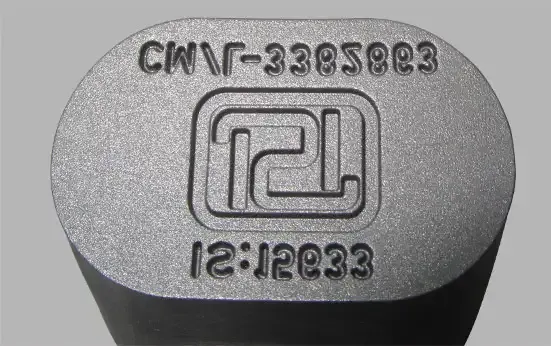
Laser engraving of ISI mark on hardened steel HRC 60 electrode die

ISI mark on electrode die

Material
Hard cold steel
Hardness
HRC 60
Depth
—
Time
—

Laser Engraving Methods Comparison

Feature 2D Engraving Deep Engraving 3D Engraving Laser Texturing
Primary mechanism
Vaporises a thin, even layer to recess the design. Hundreds of passes cut a straight-walled cavity. Layer-by-layer removal at varying depths from a 3D model. A repeating micro-pattern engraved across an area.
Typical depth
Microns – 0.5 mm 1 – 4 mm+ Variable relief Shallow, uniform
Surface finish
Recessed, flat bottom Crisp walls, tactile Sculpted relief Matte / patterned
Speed
Fast Slow (hours per die) Very slow / precise Area dependent
Common application
Serial numbers, DPM codes, logos, nameplates Coin & embossing dies, moulds, ISI marks Coin art, medallions, jewellery Mould tools, grip and decorative surfaces

Which Laser for Which Material?

A material only engraves if it absorbs the laser's wavelength. That is why the source, not the wattage, is the first choice.

Fiber · 1,064 nm

Fiber laser

The standard for metal engraving, with no consumables and a long source life.

  • Steel, stainless, hardened tool steel
  • Aluminium, brass, copper, titanium
  • Gold, silver, platinum; many hard plastics
Learn more

CO2 · 10,600 nm

CO2 laser

For organic and non-metal materials. Does not engrave bare metal.

  • Wood, MDF, acrylic
  • Rubber, leather, paper, textiles
  • Glass and stone
Learn more

UV · 355 nm

UV laser

"Cold" marking with minimal heat, for delicate and heat-sensitive parts.

  • Thin plastics, medical tubing, cables
  • PCBs and electronics
  • Glass and glassware
Learn more
One machine, many jobs

What else our engravers can do

Get a sample engraved

Send a part, see the exact depth and finish.

Markolaser engraves a sample on your material before you commit to a machine, so you know the result and cycle time up front.

Sourcing the machine

Explore Our Laser Engraving Machines

Designed and assembled in-house by Markolaser with European, Japanese and American components — and customised to your parts.

URSA laser deep engraver and cutter, 2D and 3D laser engraving machine
Featured

URSA — 2D & 3D deep engraver and cutter

Markolaser's flagship for deep engraving, 3D relief, texturing and fine cutting on metals — built for die makers, mint work and high-detail jobs.

Frequently Asked Questions

1 Can a laser engraving machine engrave multiple materials like metal, wood, glass, plastic and rubber?

Ans: Yes! MarkoLaser’s laser engraving machines—especially those with fiber or hybrid laser—can engrave across multiple materials with precision and consistency. They can do metal engraving deep and permanent marking on steel, aluminum and copper. They can also engrave wood for artistic designs, logos or names. For glass controlled laser parameters can do smooth surface etching without cracking. For plastics and acrylics the laser can do clean and sharp marking with the right wavelength, no burning or deformation. These multi-material capabilities make MarkoLaser’s laser engravers most versatile in the industry.

2 What are the different laser type for different type of materials?

Ans: Different materials require different laser sources to achieve the best results. A fiber laser engraver is best for metal and some industrial plastics, high precision and depth. CO₂ laser engraving machines are best for non-metallic materials like wood, acrylic, rubber, leather and even glass. For very delicate materials like thin plastics, PCBs or glassware used in electronics a UV laser engraving machine is the safest and most accurate option. By choosing the right laser type MarkoLaser ensures each application will deliver great results, whether for artistic customization or industrial traceability solutions.

3 Is the same laser machine suitable for both industrial and artistic applications like jewelry and custom gifts?

Ans: Yes, a well equipped laser engraver from MarkoLaser is versatile enough to do both industrial and high-end custom applications. For industrial use our laser machines are used for marking parts, tools and components—engraving serial numbers, barcodes and logos with high accuracy. At the same time the same machine can be used for engraving jewelry fine detailing and deep marking on gold, silver and other metals. It also works great for custom gifts like engraved wood nameplates, glass awards or personalized rubber stamps. This versatility makes MarkoLaser’s machines a smart investment for anyone who needs multi-purpose functionality.

4 Is Markolaser a manufacturer or a dealer / distributor of laser marking machines near you?

Ans: Markolaser is a CE Certified laser engraving machine manufacture based in Gurugram, Haryana, India near you not a dealer or a distributor. All Laser machines are designed, developed and assembled at markolaser's own facility using European,Japanese and American Components.

5 How many watts do I need for laser engraving?

Ans: 20W fiber handles surface marking and light 2D engraving. 30W is the common all-rounder. 50W and above cuts cycle times for deep engraving, dies and production volumes. We recommend a power after testing your part.

6 Which laser is best for engraving metal?

Ans: A fiber laser at 1,064 nm is the standard for metal. It engraves stainless steel, mild and hardened steel, aluminium, brass, copper, titanium, gold and silver, including deep engraving of dies and moulds up to 4 mm and more.

Looking for a laser engraving machine manufacturer near you in India?

Markolaser is a CE-certified laser engraving machine manufacturer in Gurugram, Haryana, with application and service support across India - including Delhi NCR, Baddi, Hyderabad, Coimbatore, Faridabad, Noida, Pune, Mumbai, Bengaluru, Chennai, Ludhiana and Rajkot. We build fibre, UV, CO₂ and green laser machines for metals, plastics, jewellery, dies and medical devices, and sample engraving is available before you commit.

Contact Now Contact Markolaser on WhatsApp