

slide-home-bg

Marking of fruits and vegetables with laser marker

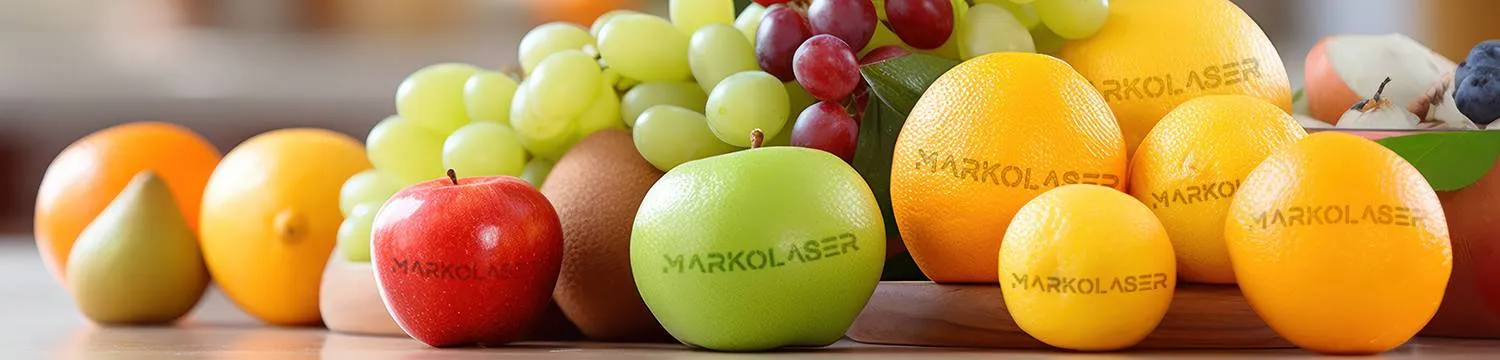
Laser labelling of food items is widely accepted by environment friendly consumers. People consuming organic food items prefer organic packaging and marking of these items. Naturally branded food items not only promote sticker less marking but also provides branding solution for food industry. Besides, plastic and sticker labelling is hazardous to environment as well as health.
Direct labelling is the organic solution to prevent fruits and vegetables from sticky glue of stickers and harmful plastic foil.

Natural Branding Process

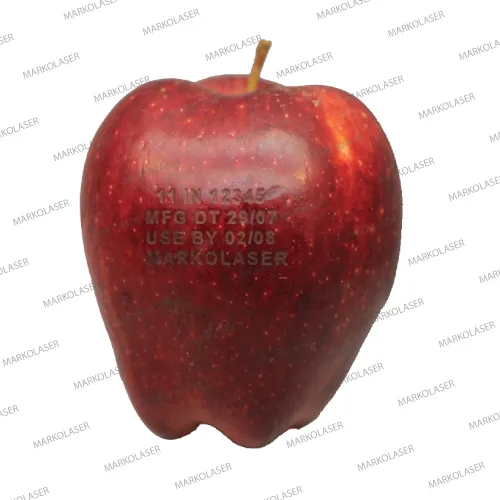
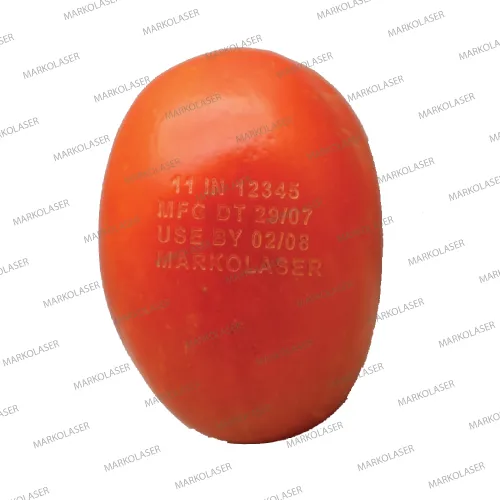
The reason laser labelling is called direct labelling is that no physical contact of machine and fruits occurs while marking. The laser beams are directed on fruit/vegetable which peels off the outer layer of food items. The portion thus peeled off is termed as laser mark/label.

Naturally labelled food items are safe and do not hamper the quality, shelf life and pulp of fruits and vegetables.

ENVIRONMENT BENEFITS

  • Labelling with a laser requires roughly 1% of the energy (and associated carbon emissions) needed for sticker-based marking.
  • Natural branding is the solution for sustainable development as it helps in plastic, paper and glue reduction.
  • According to reports, natural branding just on avocadoes and potatoes only will save 200 km long and 30cm wide plastic in one year. So one could imagine the scope of plastic reduction if natural branding is done on all the food items.

Frequently Asked Questions?

1 Does the Markolaser laser machine's energy damage the pulp or affect the shelf life of the fruit?

Ans: No. The Markolaser laser machine's process is meticulously calibrated to interact only with the outermost layer of the peel. As a result, the flavor, aroma, and natural shelf life of the produce remain completely unaltered and safe for human consumption.

2 What types of fruits and vegetables are ideally suited for this laser process?

Ans: The process can be adjusted for a wide variety of organic skin profiles. It is highly effective on thick-skinned items like avocados, watermelons, citrus fruits (oranges, lemons, and limes), and onions, as well as thinner organic skins such as sweet potatoes, apples, pears, and cucumbers.

3 How does switching to natural branding benefit the environment compared to traditional stickers?

Ans: Traditional produce marking relies heavily on plastic or paper stickers backed by chemical adhesives, both of which generate significant non-biodegradable waste. Natural Branding eliminates the need for plastic foils, paper, and glues entirely.